Tree Inspections in Hainault: Professional Care for Safer, Healthier Trees
If you are looking for tree inspections in Hainault, you are likely trying to solve a practical problem: a tree looks unstable, a branch has started to die back, roots are lifting paving, or you simply want peace of mind before the next windy spell. A proper inspection is not about alarm; it is about understanding what is happening with a tree, what risks may be present, and what action, if any, should be taken next. For homeowners, landlords, managing agents, schools, and business owners in and around Hainault, professional tree inspections help protect people, property, and the trees themselves.
Hainault has a varied local landscape. You will find family homes with mature gardens, smaller plots where trees have outgrown their space, streets with established roadside planting, and commercial premises where trees form part of the public-facing environment. In all of these settings, trees can bring value and character, but they can also create concerns if they become damaged, diseased, or poorly balanced. That is why a local inspection service matters: it provides a clear view of tree condition, risk, and next steps tailored to the surroundings.
Whether you need a one-off assessment after storm damage, a routine check for a mature tree, or a report to help you plan future work, this service is designed to give you practical, straightforward answers. Contact us today to arrange an inspection and take the uncertainty out of tree care.
Why Tree Inspections Matter in Hainault

Tree inspections play an important role in everyday property care because trees can change gradually over time. A tree that appeared healthy last year may now show signs of stress, root movement, or structural weakness. In Hainault, where many properties feature mature planting and established boundaries, these changes are easy to miss until a problem becomes more obvious. Routine checks help identify concerns early, when they are often easier and less disruptive to manage.
There are several reasons residents and commercial customers request inspections. Some want reassurance after a storm or high winds. Others need help understanding whether a tree close to a building, fence, driveway, or access route is safe. Businesses may need an inspection because trees near customer entrances, car parks, or shared pedestrian routes must be kept in a condition that supports safe access. In each case, the aim is the same: to assess the tree clearly and recommend sensible action.
Tree inspections in Hainault are particularly useful because the local area includes a mix of open garden space, tighter urban plots, and properties where access can be limited by walls, parked cars, neighbouring boundaries, or narrow side passages. A local team understands these conditions and can plan an inspection that is efficient, respectful of neighbouring property, and practical for the site.
What a Tree Inspection Typically Looks At

Every tree is different, but a proper inspection usually looks at the overall structure, the condition of the trunk, branches, crown, root zone, and surrounding site conditions. The inspector will look for signs of decay, cracking, fungal growth, deadwood, lean, storm damage, pest activity, poor union formation, and any evidence that the tree may be under stress. The purpose is to build a balanced picture rather than focusing on a single visible symptom.
In a domestic setting, that may mean checking whether a large tree is encroaching on the house, whether roots are affecting paving or garden walls, or whether branches overhang a neighbouring garden. In a commercial setting, it may mean checking for risks around footpaths, service areas, visitor parking, or access roads. The report or advice you receive should be easy to understand and should explain what was found, why it matters, and what should happen next.
Good inspections are not about unnecessary work. A healthy tree may need nothing more than observation and routine follow-up. Where action is recommended, it may involve crown reduction, deadwood removal, pruning, soil management, or, in more serious cases, removal. A sensible inspection should help you make the right decision, not a rushed one.
Who Uses Our Tree Inspection Service
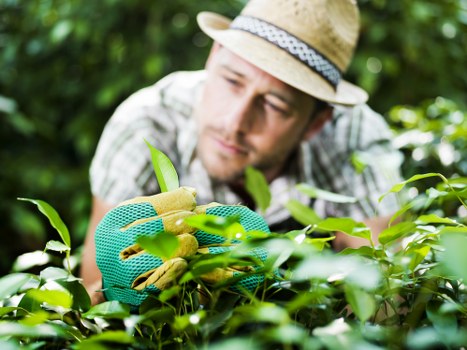
Tree inspections are useful for many different customers across Hainault. Homeowners often request them because a tree looks unsafe, has changed after strong winds, or is causing concern due to size and proximity. Landlords may need an inspection to keep their properties in good order and to understand whether trees on rented land require attention. Managing agents and property owners may request checks for communal spaces, boundary trees, or shared access routes.
Schools, care settings, and commercial premises may also need inspections as part of wider site management. Trees close to car parks, playground edges, pathways, or delivery areas should be assessed periodically to make sure they remain suitable for the space. Even if no obvious damage is visible, regular checks can help reduce the likelihood of unexpected problems later on.
Local customers often ask for an inspection after a specific event, such as high winds, heavy rain, subsidence concerns, visible fungal growth, or branches breaking away. Others want a planned assessment before carrying out garden improvements, extensions, fencing, driveway works, or changes to boundary layouts. A tree inspection can help you plan those works more safely and with greater confidence.
Signs a Tree Should Be Inspected
It is not always easy to tell when a tree needs attention, especially if the problem is developing slowly. However, there are several warning signs that should prompt a closer look. These signs do not always mean the tree is dangerous, but they do mean an inspection is worthwhile.
Some common signs include dead or hanging branches, cracks in the trunk, lifted roots, fungal brackets near the base, leaf loss out of season, sparse crown growth, bark damage, leaning that appears new or worsened, or repeated branch drop. Trees may also need inspection if the ground around them is heaving, if neighbouring structures seem affected, or if there has been visible storm impact.
It is also sensible to request an assessment if a tree has not been checked in a long time. Mature trees, in particular, benefit from periodic monitoring because their condition can change as they age. An inspection provides the evidence needed to decide whether the tree should be left alone, monitored, pruned, or treated further.
When local conditions make an inspection especially important
In Hainault, local weather exposure, boundary pressure, and space constraints can all influence tree condition. Trees in exposed positions may be more vulnerable to wind loading, while those growing near hard surfaces may show signs of root stress or compaction. Where neighbouring trees compete for light and space, crown development can become uneven, increasing the need for professional judgment. A local inspection takes these details into account.
How Tree Inspections in Hainault Are Carried Out

A tree inspection usually begins with a visual assessment from ground level. This allows the inspector to assess the tree’s structure, overall vitality, and any visible defects. Depending on the situation, the inspection may also include close examination of the root plate, trunk, branches, and nearby ground conditions. Where appropriate, the inspector may look at surrounding buildings, walls, footpaths, fences, or other trees that could be affected.
For many domestic trees, a ground-based assessment is enough to determine whether work is needed. In more complex cases, a fuller inspection may be recommended. That can be helpful where a tree is large, significantly mature, showing signs of decay, or linked to a specific concern such as property movement or repeated branch failure. The point is to match the level of inspection to the situation rather than overcomplicating things unnecessarily.
What customers usually value most is clear language. A good inspection should explain what was found in plain English, without leaving you unsure about the seriousness of the issue. If action is needed, you should be told what type of work is appropriate and why. If no immediate work is required, you should still know whether future monitoring would be sensible.
What Is Included in the Service
While each inspection is shaped by the site and your concerns, a local tree inspection service in Hainault usually includes a combination of assessment, discussion, and practical advice. The aim is to give you a useful outcome, not just a quick glance.
- Initial discussion about the tree and any concerns you have noticed
- Visual assessment of the tree’s condition and structure
- Review of obvious signs of damage, disease, decay, or instability
- Consideration of the surroundings, including buildings, access routes, and adjacent trees
- Practical advice on whether the tree needs monitoring, pruning, treatment, or further work
- Clear explanation of recommended next steps
For customers with multiple trees, the inspection can be carried out in a way that prioritises the most important or most concerning trees first. This can be especially helpful for larger gardens, managed grounds, or shared landscapes where several trees may need attention at once.
Helpful note for property owners
If you are unsure whether a tree is your responsibility or part of a shared boundary, an inspection can still help you understand the condition and potential risk. You can then decide whether to speak to neighbours, a managing agent, or another relevant party before proceeding.
Why a Local Hainault Company Is Valuable

Choosing a local team for tree inspections in Hainault offers practical benefits beyond convenience. Local experience means better familiarity with the types of properties, tree species, and site limitations commonly found in the area. It also means the team is more likely to understand how seasonal weather, nearby roads, and residential layouts affect access and inspection planning.
For example, some parts of Hainault have tighter residential streets, limited driveway space, or shared access arrangements that make equipment set-up more complicated. A local team can arrive prepared for those realities and plan the inspection with minimal disruption. That is especially important where there are parked cars, narrow gates, soft ground, or planted areas that need to be protected.
Commercial clients also benefit from local responsiveness. If a tree issue affects a retail frontage, office entrance, business yard, or communal site, prompt inspection matters. A local service can often respond quickly, assess the concern, and help you decide whether urgent action is needed or whether a staged approach would be more suitable.
Benefits of Regular Tree Inspections
Some tree issues only become obvious after a storm or when branches start to fail, but routine inspections can reduce that uncertainty. Regular checks offer a number of benefits for property owners and occupiers in Hainault.
- Helps identify problems before they become more serious
- Supports safer gardens, driveways, and access routes
- Can reduce avoidable damage to buildings, fencing, and hard landscaping
- Helps preserve healthy trees by spotting stress early
- Provides useful information for planning future pruning or maintenance
- Offers reassurance for landlords, managers, and responsible homeowners
In many cases, the real value of inspection is not in finding major faults, but in confirming that a tree is currently in acceptable condition and does not require immediate intervention. That reassurance can be just as useful as identifying a problem, especially when a tree is near a house or a busy area of the property.
Tree health and tree safety are not the same thing
A tree can look healthy and still have a structural issue. Likewise, a tree may have a visible defect but remain manageable if the risk is low and the defect is stable. That is why a proper inspection considers both vitality and safety. It is not just about how the tree looks; it is about how the tree is behaving in its environment.
Typical Reasons Customers Book an Inspection
Customers contact us for many different reasons, and each one deserves a careful, site-specific response. In Hainault, common reasons include storm damage, overhanging branches, concerns about roots, deadwood, trees leaning toward a building, and the need for a written assessment before tree work begins.
Some customers want to know whether a tree can stay in place with regular pruning. Others are worried that a mature tree may be too close to a house or boundary wall. In shared gardens or communal areas, the question may be about responsibility, maintenance planning, or whether the tree presents a public-facing issue. A detailed inspection helps clarify the situation.
It is also common to request an inspection before selling or altering a property, especially where trees are prominent in the landscape. Being able to show that a tree has been assessed and monitored appropriately can make conversations about garden planning and maintenance much easier.
Common questions from local property owners
Many Hainault customers ask whether an inspection is needed every year. The answer depends on the tree’s size, age, condition, location, and the level of risk around it. Others ask whether every sign of fungus means the tree must come down. That is not always the case; some fungi are indicators of decay, but the impact depends on where the growth is and what else the inspection reveals. The best approach is always to have the tree assessed properly rather than guessing.
Access, Parking, and Site Challenges in Hainault
Local conditions can affect how a tree inspection is carried out. In Hainault, access may be straightforward in some locations and more challenging in others. Narrow side passages, rear garden access, low gates, shared driveways, or limited roadside parking can all influence how the inspection is scheduled and how quickly the site can be assessed.
These details matter because they affect not only convenience but also safety. If a tree is near a fence line or a neighbour’s property, care is needed to avoid unnecessary disturbance. Where parking is limited, it helps to plan the visit around what is available on site. A local service understands how to work around these practical issues without creating stress for the customer.
Businesses and communal property managers may also have access requirements of their own. For example, inspections around staff parking, service entrances, or shared walkways should be carried out with minimal interference to day-to-day use. A well-planned inspection helps keep disruption low and makes the process easier for everyone involved.
Areas Covered Around Hainault
Tree inspections are often requested not only in Hainault itself but also in the surrounding neighbourhoods and nearby parts of East London and Essex. Customers may need help across nearby residential streets, estates, and mixed-use areas where trees form part of gardens, boundaries, or shared spaces.
Commonly served nearby locations may include surrounding parts of Redbridge and neighbouring local districts, where tree care needs often overlap with the same property types and access considerations. If you are unsure whether your property falls within the local service area, it is worth making an enquiry and explaining the site. This allows the team to confirm availability and advise on the best way forward.
Whether the property is a compact suburban garden, a larger family home, a managed estate, or a business premises with planted borders, a local inspection service can adapt to the setting and the condition of the trees involved.
How to Prepare for a Tree Inspection
Preparing for an inspection is usually simple, but a little planning can make the visit smoother and more useful. If you can provide basic information about the tree and the concern, the inspection can focus on the right areas from the start.
- Make a note of what you have noticed, such as leaning, dead branches, or root movement
- Check whether the tree is affecting buildings, fences, paths, or neighbouring land
- Ensure there is access to the inspection area if possible
- Move vehicles or temporary obstacles if they block the view or working space
- Gather any previous tree work history if you have it available
- Be clear about whether you want general advice, a safety check, or preparation for planned tree work
If access is awkward, that is not unusual in Hainault and should not stop you from arranging an inspection. Letting the team know in advance helps them arrive prepared. In many cases, a site can still be assessed effectively even where access is tighter than usual.
What Happens After the Inspection
Once the inspection is complete, you should receive clear advice on what was observed and what the next steps are. Sometimes that will mean no action is required other than periodic review. In other cases, the tree may need targeted pruning, deadwood removal, further investigation, or more urgent work depending on the level of concern.
If the tree is part of a larger site, the findings can also help you plan the most sensible order for future tree work. For example, a tree that is healthy but crowded may need shaping later, while a tree with a structural defect may need earlier attention. Good advice helps you prioritise work in a practical and cost-conscious way.
Where multiple trees are involved, an inspection can create a useful picture of which trees are stable, which require monitoring, and which may need immediate attention. That makes it easier to budget, plan access, and avoid last-minute decisions.
Pricing Factors for Tree Inspections
People often want to understand what affects the cost of a tree inspection, even if no exact price is given at the outset. Several factors can influence the time and complexity involved, and therefore the quote you receive.
- Number of trees to be inspected
- Size, age, and complexity of the tree or trees
- Accessibility of the site
- Whether a simple visual inspection or a more detailed assessment is needed
- Any special reporting requirements
- Urgency of the visit, such as post-storm concerns
A simple inspection of a single tree in an accessible garden will usually be different from a more involved assessment involving multiple mature trees, restricted access, or several points of concern. The best way to get accurate information is to request a quote based on the site details you can provide.
Why Customers Choose Professional Tree Inspections Instead of Guessing
It can be tempting to assume that a tree is fine if it still looks leafy, or unsafe if it sheds branches once. In practice, those assumptions can be misleading. Trees are living structures, and they often show mixed signs: one area may be healthy while another is stressed or damaged. Professional inspection brings objectivity to that situation.
That objectivity matters because tree-related decisions affect real people and real property. A branch over a patio, a root pressing into paving, or a trunk leaning nearer to a building can all have consequences if left unexamined. On the other hand, removing or pruning a tree unnecessarily can reduce its value and change the character of a garden. A proper inspection helps avoid both extremes.
In short: an inspection is the sensible first step when you are uncertain. It turns worry into information and gives you a practical path forward.
Frequently Asked Questions
Do I need an inspection if the tree looks healthy?
Yes, if the tree is large, mature, close to a building, or situated in a busy area of the property, a periodic inspection is sensible even when it appears healthy. Some issues develop internally or at the roots before they become obvious.
Can you inspect trees after storm damage?
Yes. Storms can reveal weaknesses that were not previously visible. If a tree has lost branches, started leaning, or shows fresh cracking or movement, it is sensible to have it checked promptly.
What if the tree is on a boundary?
Boundary trees are common in Hainault, and inspections can still be carried out to assess the tree’s condition and potential impact. If responsibility is shared, the findings can help you discuss the situation with neighbours or a managing party.
Will the inspection tell me if the tree needs removing?
If removal is necessary, that may be recommended as part of the advice. However, many trees can be retained with the right pruning, monitoring, or management. Removal is not automatically the outcome of an inspection.
Can you help with more than one tree?
Yes. Many customers ask for multiple trees to be assessed during the same visit, especially in larger gardens, communal grounds, or commercial sites. This can be a practical way to plan maintenance efficiently.
How soon should I book if I am worried?
If you are concerned about safety, storm damage, or a tree affecting a building or access route, it is best to arrange an inspection as soon as possible. If the issue seems less urgent, you can still request a visit and discuss the most suitable timing.
Book Tree Inspections in Hainault with Confidence
If you want clear, practical advice about a tree on your property, a local inspection is the right place to start. It can help you understand the condition of the tree, reduce uncertainty, and make sensible decisions about any work that may be needed. For homeowners, landlords, and businesses alike, this is a straightforward way to protect both property and planting.
From mature garden trees and boundary specimens to commercial site planting and shared access areas, tree inspections in Hainault are about more than ticking a box. They help you stay informed, plan ahead, and respond appropriately when a tree begins to change. That is especially valuable in a local area where property layouts, parking limitations, and neighbouring boundaries can make tree issues more complex than they first appear.
Request a free quote or book your service now if you would like a professional assessment carried out by a local team. Contact us today to arrange tree inspections in Hainault and get straightforward advice you can rely on.